J A M S E S H
Julie-Anne Minerals
Sleep Exercise Stress Hormones
Where We Put All The Pieces Of Your Puzzle Together

Knowledge is Your Super Power
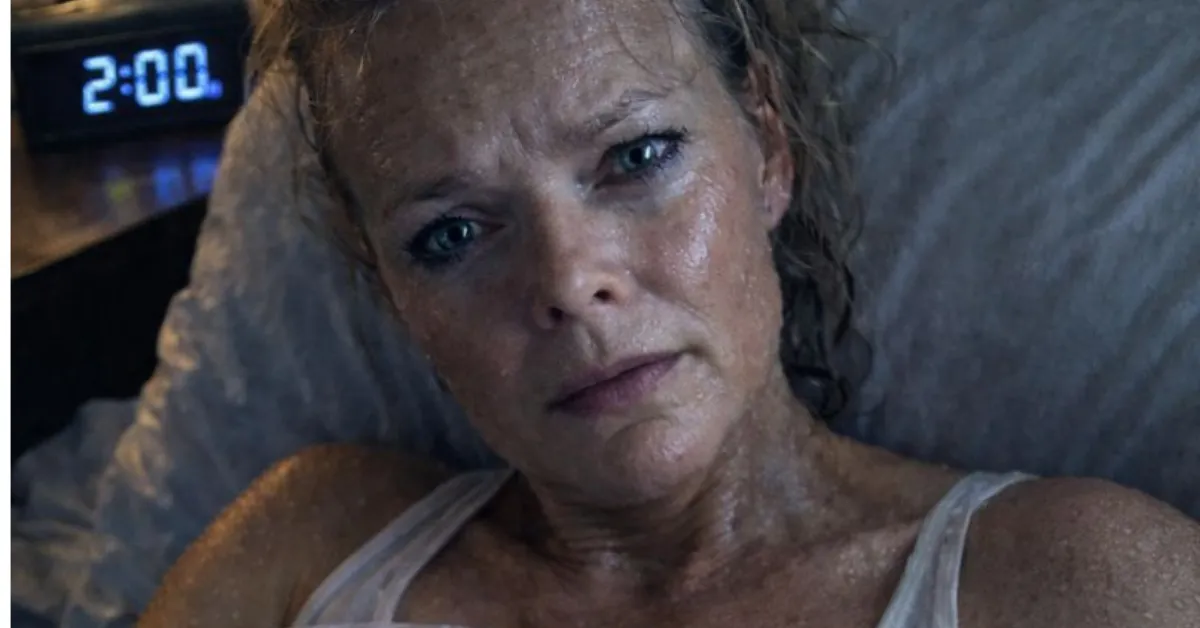
Waking Up Sweaty in Midlife? 9 Common Causes of Night Sweats
Night Sweats in Midlife: Why You’re Waking Up Soaked (and Why That “One Nightcap” Matters)
If you’ve ever bolted awake at 2:17 a.m. feeling like you slept inside a humidifier set to “tropical storm,” welcome to the club nobody asked to join.
You’re not dramatic. You’re not broken. And no, you’re not “just stressed” in that dismissive way people love to toss around.
Here’s the truth:
Night sweats are a symptom, not a diagnosis.
So instead of white-knuckling it and hoping it stops, the move is to get curious and figure out what’s driving it for you.
Let’s talk about the most common reasons, what’s normal, what’s not, and why alcohol deserves way more side-eye than it gets.
Quick clarity: what counts as “night sweats”?
Not every warm night is a problem. I’m talking about sweating that:
wakes you up
makes you rip off blankets
leaves you damp or drenched
messes with your sleep
And that last part is the big deal. Even if the sweating itself isn’t dangerous, broken sleep will absolutely hijack energy, mood, cravings, patience, and motivation.
Common Causes of Night Sweats (The Big Buckets)
1) Menopause hot flashes, aka vasomotor symptoms
This is the main reason for most women in peri and post-menopause.
As estrogen declines, the brain’s temperature control becomes more sensitive. Translation: your internal thermostat gets picky and reactive. Small shifts that never used to matter can suddenly flip you into overheating mode.
Clues this is your bucket:
you also get daytime hot flashes
it’s worse with stress, heat, spicy food, or alcohol
sleep got choppy around the same time other menopause symptoms kicked up
2) Alcohol, yes, even one drink
If you only remember one thing from this article, let it be this:
Alcohol is one of the most common night sweat triggers, even at one drink, even if it helps you fall asleep.
Why it happens:
Alcohol can widen blood vessels, hello flushing and heat.
It can help you doze off, then it fragments sleep later.
As it’s metabolized, it can trigger rebound stress hormones for some people.
It can mess with blood sugar stability overnight, especially if you drink without enough food.
Classic pattern:
You fall asleep fine, then a few hours later you’re awake, sweaty, restless, and annoyed at life.
And here’s the sneaky part: it might not happen every time, until it starts happening often enough that you cannot ignore it.
The best experiment you can run: The 10-night reset
No alcohol for 10 nights, not “less,” NONE
Keep everything else the same
Track night sweats and sleep quality
If it improves, you just found a high-impact lever. That is data you can actually use, even tho you may not like the answer 🤣.
3) Medication effects
Some medications can increase sweating or disrupt temperature regulation, including:
SSRIs and SNRIs (common antidepressants)
steroids like prednisone
some pain meds
certain supplement and med combinations
This is not a “stop your meds” moment. It’s a “timing matters” moment. If night sweats started after a med change, that clue is worth bringing to your physician.
4) Thyroid running hot
Overactive thyroid function can look a lot like menopause symptoms:
sweating and heat intolerance
anxiety, heart racing
sleep disruption
weight changes
If your symptoms are intense, sudden, or just not matching your usual pattern, a basic thyroid screen is smart.
5) Blood sugar swings overnight
This one is more common than people think, especially if you:
wake up sweaty and shaky, or hungry
have insulin resistance, prediabetes, or diabetes
use glucose-lowering meds
drink alcohol without enough food
eat very light at dinner, then crash overnight
If blood sugar is a driver, stabilizing evening nutrition can make a noticeable difference.
6) Sleep apnea, yes, really
Night sweats can show up with obstructive sleep apnea. It’s underdiagnosed in women, and menopause can increase risk.
Clues this bucket fits:
snoring
waking up gasping, or with dry mouth
morning headaches
daytime sleepiness
“I’m exhausted no matter what I do”
If this feels familiar, it’s worth evaluation. Treating sleep apnea can be life-changing.
7) Stress, anxiety, and adrenaline nights
Sometimes the issue is not “heat,” it’s activation. You wake up sweaty, heart racing, brain fully online like it just chugged an espresso.
Stress can also amplify menopause symptoms, so it’s not either-or.
Things that commonly add fuel:
late-night work or emails
doom scrolling
late intense workouts
caffeine too late in the day
alcohol, again
no real wind-down routine
If your nervous system never gets the memo that it’s bedtime, your body will keep acting like it has to stay on duty.
8) Infections
Less common, but important.
Infections can cause night sweats, usually with other symptoms like fever, feeling unwell, cough, or significant fatigue.
If you have sweats plus systemic symptoms, don’t “biohack” your way through it. Get checked.
9) Red flag patterns to take seriously
Night sweats by themselves are usually not scary. What’s more concerning is when they come with things like:
drenching sweats plus fever
drenching sweats plus unexplained weight loss
new swollen lymph nodes or lumps
persistent cough or chest symptoms
significant fatigue that feels new and wrong
If that’s you, book an appointment promptly.
When to get checked sooner, not later
Talk to your physician soon if you have:
fevers
unexplained weight loss
drenching sweats that are new or escalating
new lumps or lymph nodes
chest pain, shortness of breath, fainting
night sweats that began suddenly with a major health change
The most practical next-step plan
If you’re postmenopausal and dealing with night sweats, here’s a simple, effective action path.
Step 1: Run the alcohol experiment
10 nights, no alcohol
Track sweats and sleep quality
Step 2: Remove the easy heat triggers
cooler room
breathable bedding
spicy food earlier, not late
avoid heavy meals close to bedtime
Step 3: If it’s still happening, consider a basic workup
A common, reasonable starting point to discuss with your physician:
CBC (blood count)
CMP (metabolic panel)
TSH (thyroid)
fasting glucose and A1c (blood sugar patterns)
Not because you’re “probably sick,” but because it’s smart to rule out common mimics and stop guessing.
Final word, from me to you
If you’re waking up sweaty and wiped out, you’re not weak. Your body is not being dramatic. It’s giving you information.
And if you want the easiest high-impact lever to test first?
Start with alcohol, even that one relaxing drink.
Because for a lot of women, that nightcap is not calming the fire. It’s quietly pouring gasoline on it.




© Copyright JAMSesh Fitness and Health 2026