J A M S E S H
Julie-Anne Minerals
Sleep Exercise Stress Hormones
Where We Put All The Pieces Of Your Puzzle Together
Knowledge is Your Super Power
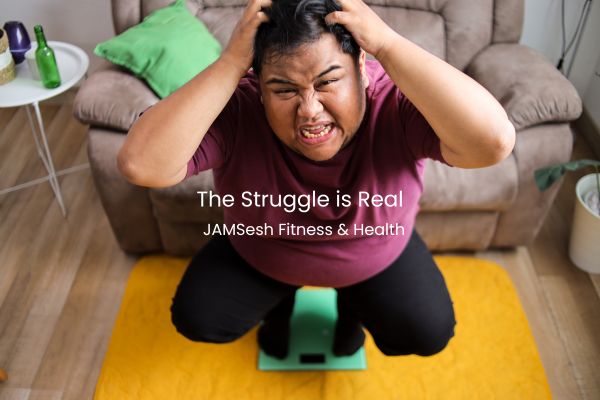
Can’t Lose Weight Even With Diet and Exercise?
Estrogen “Dominance” and Stubborn Fat Loss, What’s Actually Going On (and what to do about it)
If you feel like you’re doing “all the right things” but your body is not cooperating, this is usually not a motivation problem. It’s a physiology problem.
A lot of women (and plenty of men) end up in a pattern people casually call estrogen dominance, meaning your estrogen effect is winning the conversation.
Sometimes that’s because estrogen is truly high. Often it’s because progesterone is too low, your liver and gut are not clearing hormones well, your stress hormones are driving the whole bus, or your blood sugar regulation is quietly off, even if you eat pretty well.
I’m going to break this down in a real-world way, then give you the exact “what now” steps that actually move the needle.
First, “estrogen dominance” is usually a ratio problem, not a single number
Estrogen is not your enemy. You need it for brain health, bone health, libido, metabolism, and a bunch of other things.
When you feel “estrogen dominant,” it’s often one (or more) of these:
Low progesterone (very common in perimenopause, anovulatory cycles, chronic stress)
Sluggish estrogen clearance (liver detox pathways and bile flow, constipation, poor gut balance)
Higher estrogen production in fat tissue (more body fat can increase aromatase activity, which converts androgens into estrogens) (Physiology Journals)
More estrogen-like chemical exposure (endocrine disruptors can mimic or interfere with hormone signaling) (NIEHS)

So yes, your bloodwork can look “normal” and you can still feel like a hormonal dumpster fire.
Why this can block fat loss (even with good nutrition and workouts)
1) You look “softer” because of water retention and inflammation
High estrogen effect can increase fluid retention and make your body feel puffy. This is not all fat, but it’s discouraging and it changes body composition visually.
2) More body fat can mean more estrogen conversion
Fat tissue is hormonally active. The enzyme aromatase in adipose tissue can convert testosterone into estrogen, which can contribute to a cycle of lower androgens and higher estrogen effect in both women and men. (Physiology Journals)
3) Blood sugar and insulin can get pulled into the drama
When insulin is chronically elevated, fat loss gets harder, cravings rise, and hormones tend to drift further from “balanced.” This is one of the most common missing links I see in women who are doing “healthy” but not getting results.
4) Stress and sleep get wrecked, and that changes everything
If your nervous system is in survival mode, your body prioritizes safety over fat loss. Poor sleep also changes hunger hormones, glucose control, recovery, and training output, which turns into, “Why am I working so hard for so little return?”
5) Clearance matters, because estrogen has to leave your body
Estrogen is processed in the liver and excreted through bile into the gut. If your gut bacteria and bowel movements are not on your team, estrogen can be reactivated and recirculated via microbial beta-glucuronidase activity, sometimes called the estrobolome connection. (PMC)
The functional root causes I look for (this is the checklist)
A) Perimenopause and “progesterone drop”
Ovulation is what produces progesterone. If you’re not ovulating consistently, progesterone drops first, and estrogen can feel dominant even if it’s not sky-high.
Common clues:
New PMS, heavier periods, more clotting
Anxiety, irritability, insomnia
Breast tenderness, bloating
Weight gain around hips, thighs, lower belly
B) Constipation or not great bile flow
If you’re not eliminating daily, you’re not “detoxing hormones” well. Period.
Clues:
Incomplete bowel movements
Greasy stools, floating stools, pale stools
Bloating after meals
Nausea with fatty meals
C) Gut dysbiosis, the estrobolome issue
Your microbiome can influence estrogen metabolism and recirculation. (PMC)
Clues:
Bloating, gas, stool changes
Skin flare-ups
Histamine-type reactions, headaches
D) Blood sugar instability (even if you “don’t eat sugar”)
Clues:
Crashes mid-morning or mid-afternoon
Waking at 2–3 a.m. wired
Cravings, especially at night
Belly fat that is stubborn despite workouts
E) Endocrine disruptors, the modern hormone hijackers
These chemicals can mimic or interfere with hormone signaling, and they matter more than people want to admit. (NIEHS)
Clues:
You “do everything right” but progress is slow
Lots of plastic contact with food and water, scented products, conventional cleaners
F) Mineral imbalances that quietly run the whole show
This is where my HTMA brain lights up.
Common patterns that impact hormones and fat loss:
Low magnesium: stress sensitivity, sleep issues, constipation, insulin signaling support
Low zinc or poor zinc:copper balance: hormone conversion, skin, mood, immune, thyroid support
Iodine and selenium issues: thyroid hormone production and conversion support
Low sodium/potassium patterns (often stress-adaptation patterns): fatigue, cravings, low training tolerance
Minerals do not “replace hormones,” but they absolutely affect how your body produces, uses, and clears them.
What to do next, a practical plan that actually works
1) Start with the big 3: protein, blood sugar, bowel movements
If you want hormone balance, fat loss, and better body composition, these are non-negotiable.
Protein
Aim for a protein-forward breakfast and consistent protein at meals.
Most women under-eat protein and then wonder why cravings and body comp are chaotic.
Blood sugar
Build meals with: protein + fiber + color + smart carbs (based on activity).
If you train hard, you still need carbs, just timed and tailored.
Bowel movements
Daily, ideally 1–2x/day, well-formed, no straining.
Magnesium glycinate can support sleep and stress. Magnesium citrate tends to support motility more.
Add fiber gradually, and hydrate like you mean it.
2) Support estrogen clearance with food first
Cruciferous vegetables, enough total carbs to avoid stress spirals, and steady fiber intake.
Ground flax can be helpful for some people but not everyone.
If your gut is reactive, we go slower and individualize.
3) Reduce “invisible estrogen load”
This is where you get easy wins:
Swap plastics for glass or stainless for hot foods and liquids
Prioritize fragrance-free personal care and cleaning
Filter water if possible
These steps are especially relevant because endocrine disruptors can interfere with hormone signaling.
4) Train in a way that supports hormones, not punishes them
If you’re estrogen-dominant-feeling, inflamed, and exhausted, more HIIT is often not the answer.
A simple structure that works for many women:
3 strength sessions per week (progressive, not crushing)
2 low-intensity “Zone 2” style sessions (walk, cycle, incline walk)
Daily steps and mobility
Recovery weeks when your body is clearly asking for it
5) Consider testing instead of guessing
Depending on your situation, the most useful labs can include:
Estradiol and progesterone (timed properly), plus symptoms
Total and free testosterone, SHBG, DHEA-S
Full thyroid panel (TSH, free T3, free T4, antibodies if indicated)
Fasting insulin, A1c, fasting glucose
CRP, liver markers
Stool testing when gut symptoms are loud
Quick note for men
Men can absolutely get stuck here too. More belly fat can increase aromatase activity, shifting hormone balance and impacting body composition. (Physiology Journals)
If you’re noticing softer body comp, lower drive, stubborn midsection, and sleep issues, it’s worth looking at the same foundations: blood sugar, stress, sleep, training structure, and mineral status.
Want a plan built for your body, your hormones, and your lifestyle?
This is exactly what I do in my online 1-on-1 coaching. You get:
A training plan built around your current hormones, stress load, and recovery capacity
Nutrition targets that support fat loss without wrecking your thyroid or adrenals
Mineral-focused support (including HTMA guided strategies when appropriate)
Simple weekly actions so you actually follow through, because real life is real life
If you want me in your corner, message me and tell me: your biggest symptom, your biggest fat-loss frustration, and what you have tried already. I’ll tell you what I’d focus on first.



© Copyright JAMSesh Fitness and Health 2026